Gossary of Terms for Accounting and Management Technology
20 Business terms
This glossary will help to explain in a simple way some of the most used accounting terms. The main objective of this glossary is to be able to share a little of my knowledge about my study program.
Audit
Noun
An official inspection of an individual's or organization's accounts, typically by an independent body.
Example: Audits can't be expected to detect every fraud.
Bank statement
Noun
A printed record of the balance in a bank account and the amounts that have been paid into it and withdrawn from it, issued periodically to the holder of the account.
Example: Account statement is required to apply for visas
Budget
Noun
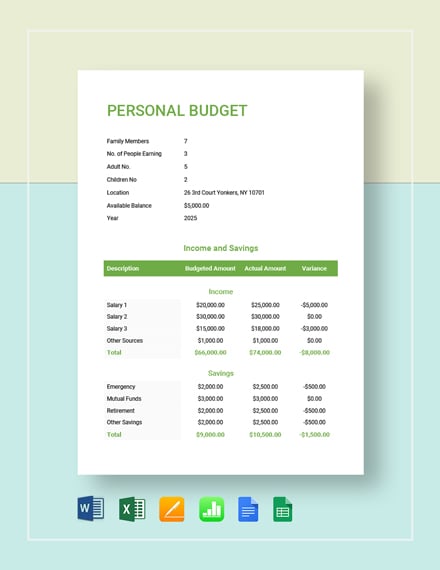
An estimate of income and expenditure for a set period of time.
Example: Keep within the household budget.
Cash flow
Noun
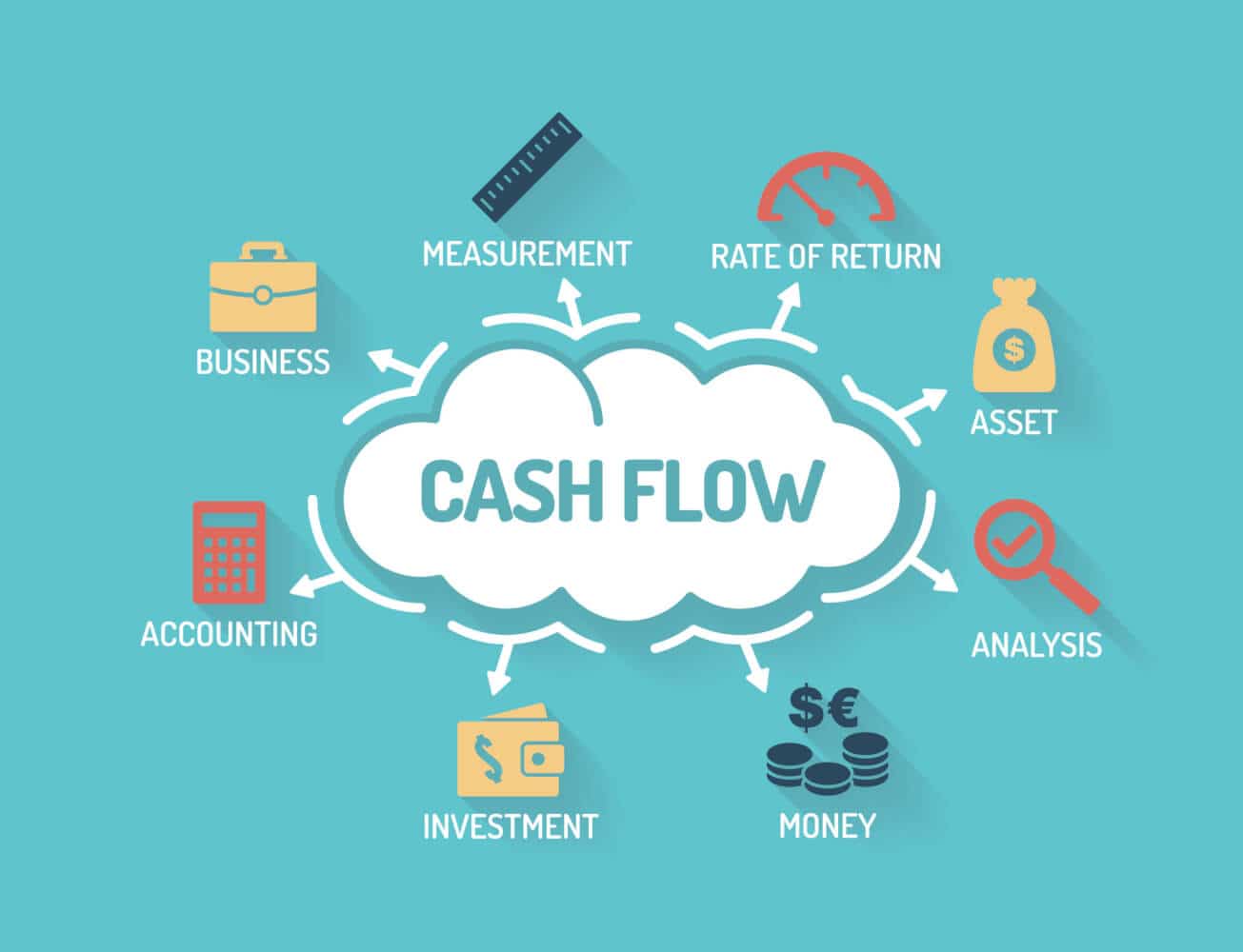
The term cash flow refers to the net amount of cash and cash equivalents being transferred in and out of a company.
Example: It is necessary to prepare the Cash Flow to know how much money the company currently has.
Check
Noun
A check is a written, dated, and signed instrument that directs a bank to pay a specific sum of money to the bearer.
Example: The client will send us a certified check next week.
Credit
Noun
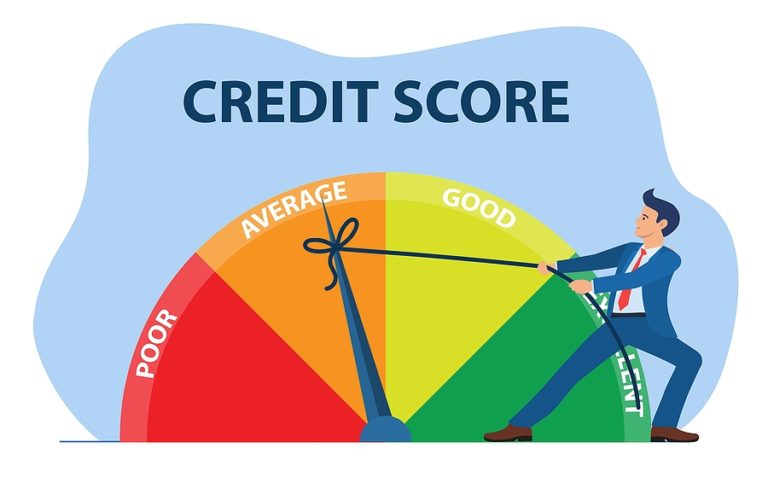
The ability of a customer to obtain goods or services before payment, based on the trust that payment will be made in the future.
Example: I've got unlimited credit.
Creditors
Noun
A person or company to whom money is owed.
Example: He sold his Ferraris to pay off his creditors.
Dividends
Noun
A sum of money paid regularly (typically quarterly) by a company to its shareholders out of its profits (or reserves).
Example: All dividends this year will be distributed equally.
Financial statements
Noun
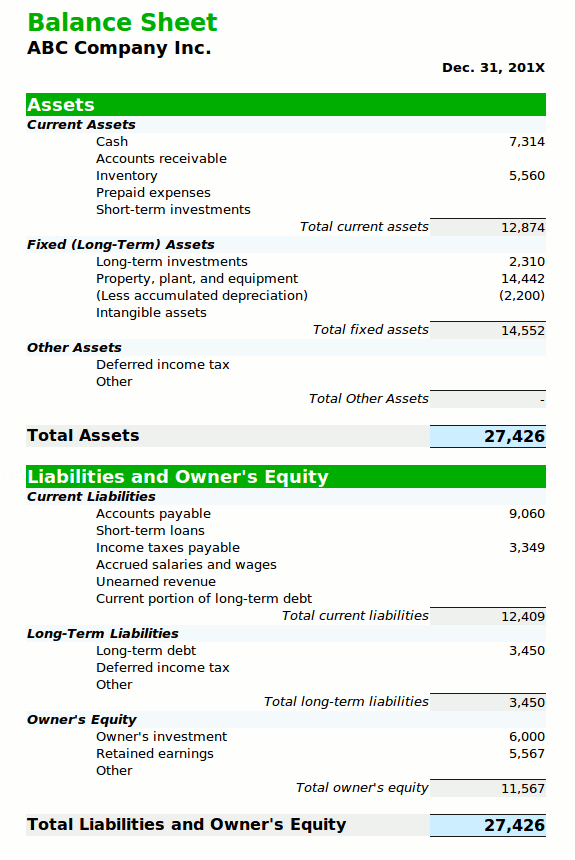
Financial statements are formal records of the financial activities and position of a business, person, or other entity. The purpose of financial statements is to provide information about the financial position, performance, and changes in financial position of an enterprise that is useful to a wide range of users in making economic decisions.
Example: The accountant must present the financial statements of the company at the end of each month.
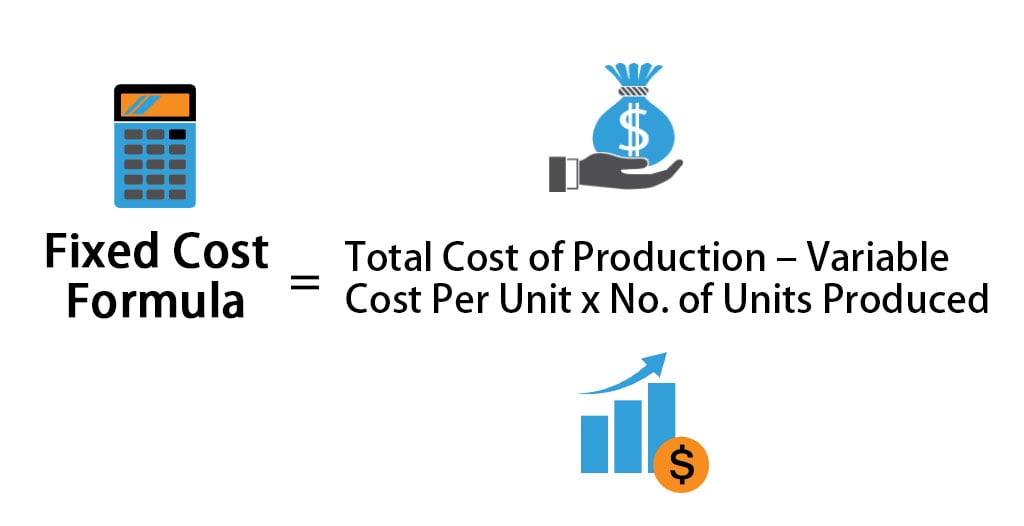
Fixed costs
Noun
Business costs, such as rent, that are constant whatever the quantity of goods or services produced.
Example: Our fixed costs increased 3% this month compared to last month.
Human Resources
Noun
The personnel of a business or organization, especially when regarded as a significant asset.
Example: Our core skills are in building pan-European businesses and managing human resources
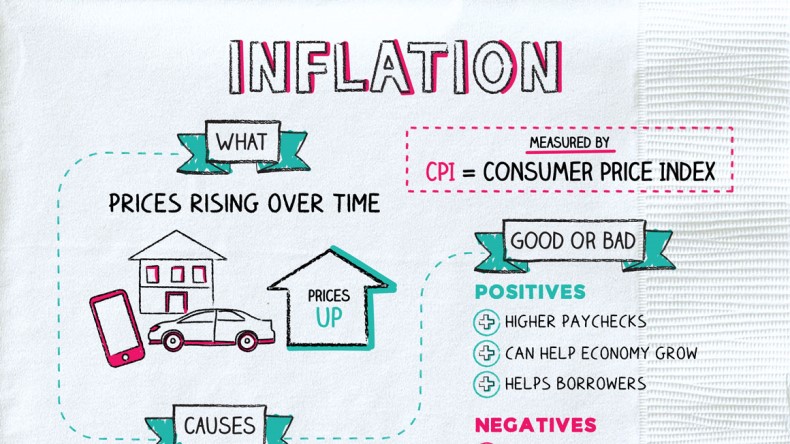
Inflation
Noun
A general increase in prices and fall in the purchasing value of money.
Example: Policies aimed at controlling inflation.
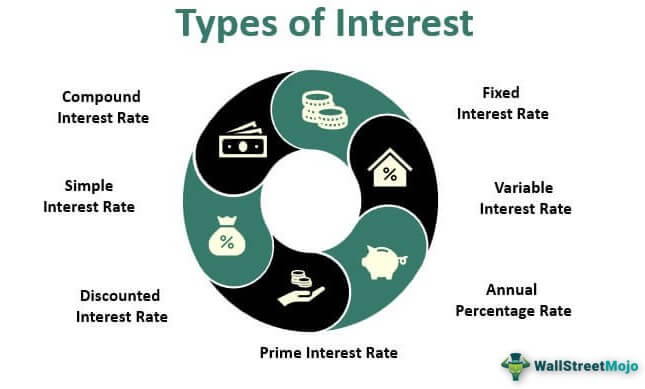
Interest
Noun
Money paid regularly at a particular rate for the use of money lent, or for delaying the repayment of a debt.
Example: The monthly rate of interest.
Inventory
Noun
A complete list of items such as property, goods in stock, or the contents of a building.
Example: The accountant must ensure inventory control.
Mortgage
Noun
A legal agreement by which a bank or other creditor lends money at interest in exchange for taking title of the debtor's property, with the condition that the conveyance of title becomes void upon the payment of the debt.
Example: I put down a hundred thousand in cash and took out a mortgage for the rest.
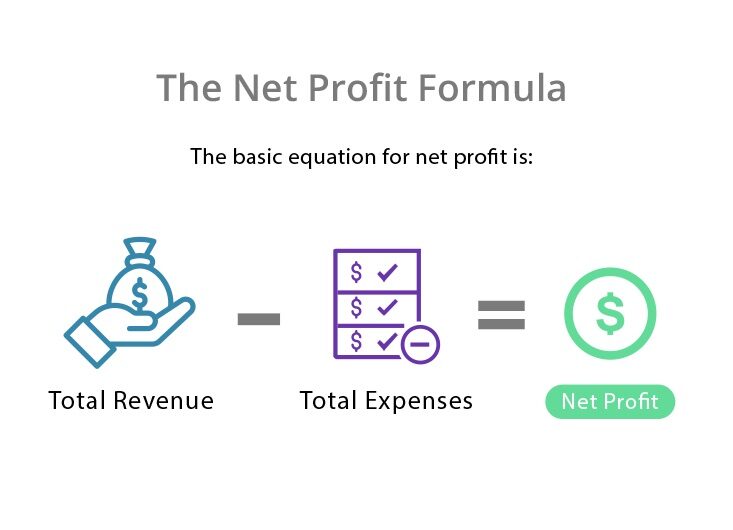
Net profit
Noun
The actual profit after working expenses not included in the calculation of gross profit have been paid.
Example: The company reported net profits up 7.6 percent.
Provider
Noun
A person or thing that provides something.
Example: A leading provider of personal financial services.
Ratio
Quantitative relationship between two phenomena that reflects a specific situation of profitability, level of investment, etc.
Example: From the balance sheets of a company, the ratios are indicators that allow inter-company comparisons.
Receipt
Noun
A written or printed statement acknowledging that something has been paid for or that goods have been received.
Example: Always make sure you get a receipt
Tax
Noun
A compulsory contribution to state revenue, levied by the government on workers' income and business profits, or added to the cost of some goods, services, and transactions.
Example: Higher taxes will dampen consumer spending.